
El Paso’s desert climate is part of what makes the Borderland beautiful—warm sunsets, clear skies, and dry air that keeps humidity low year‑round. But that same dry air can quietly affect your oral health in ways many patients don’t realize. If you’ve noticed increased tooth sensitivity, more frequent cavities, or a persistent dry mouth, the environment may be playing a bigger role than you think.
Below is an easy‑to‑read, patient‑friendly deep dive into how desert conditions impact your teeth, backed by data and practical steps you can take to protect your enamel.
🌵 Why El Paso’s Climate Matters for Your Teeth
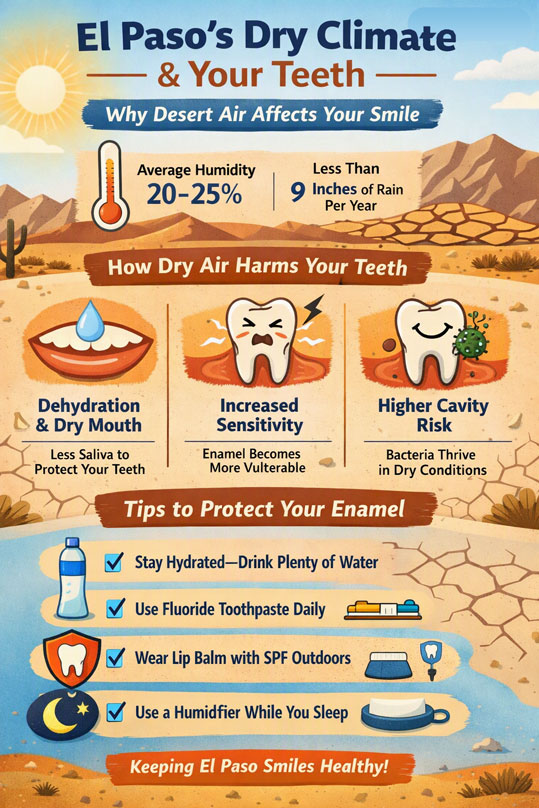
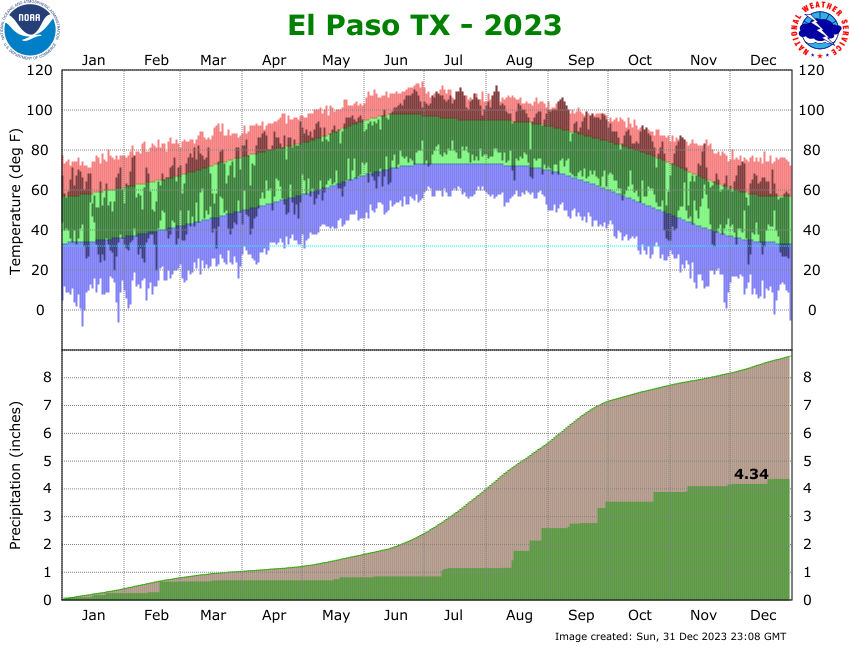
El Paso averages 20–25% humidity, significantly lower than the national average of 50–60%. The city also receives less than 9 inches of rainfall per year, making it one of the driest metro areas in the United States. Dry air pulls moisture from your skin, lips, and—importantly—your mouth.
When your mouth dries out, saliva production decreases. Saliva is your body’s natural defense system against cavities, enamel erosion, and gum irritation. Without enough of it, your teeth become more vulnerable.
🦷 How Dry Air Increases Tooth Sensitivity
Tooth sensitivity happens when the protective enamel layer thins or when the gums recede, exposing the underlying dentin. Dry conditions accelerate this process in several ways:
1. Reduced Saliva = Less Protection
Saliva neutralizes acids, washes away food particles, and strengthens enamel with minerals like calcium and phosphate. In dry climates, your mouth loses moisture faster, leaving your enamel exposed to acids from foods, drinks, and bacteria.
2. Higher Risk of Enamel Wear
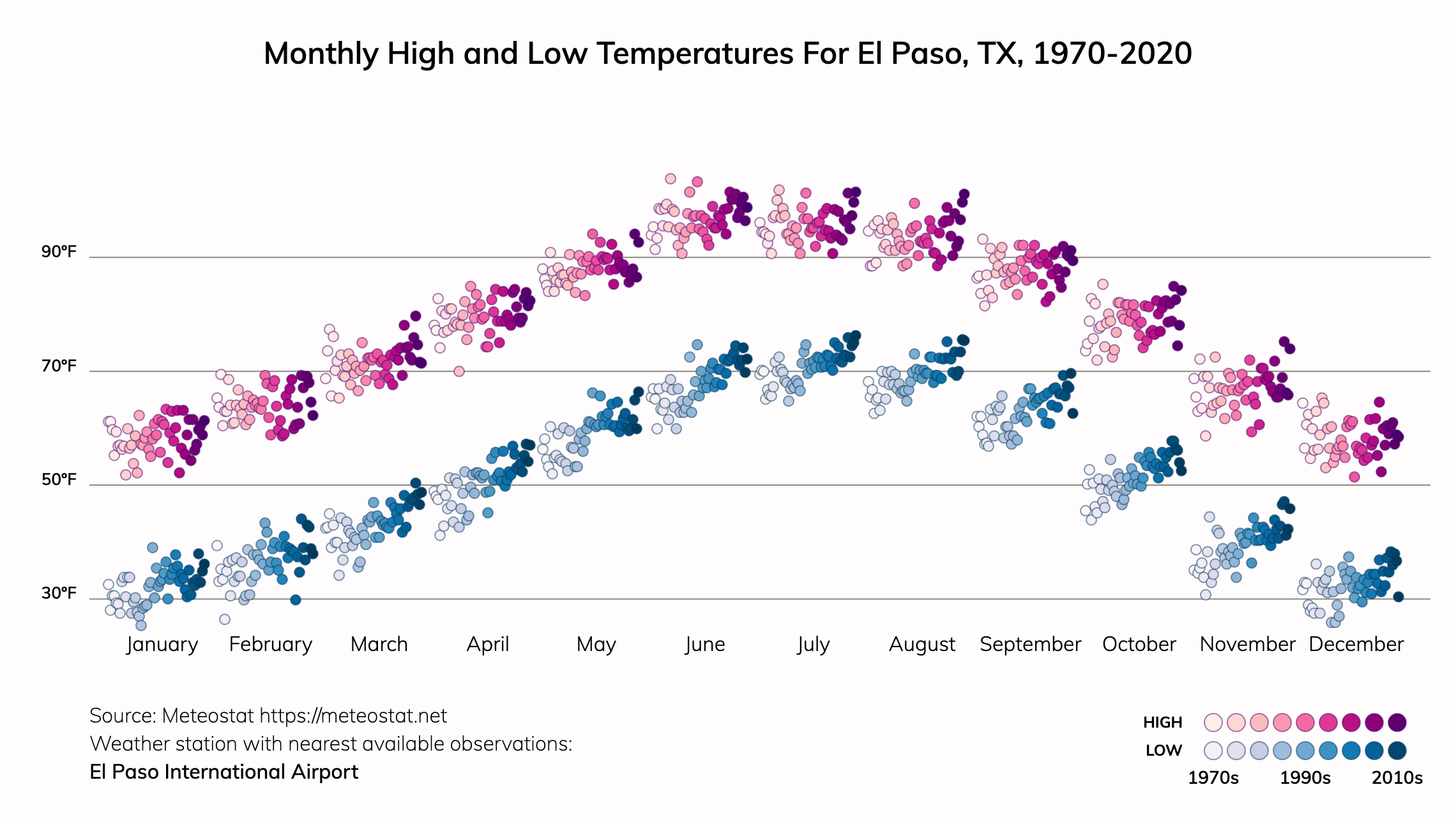
When enamel dries out, it becomes more brittle. Combine that with temperature swings—El Paso’s hot days and cool nights—and teeth can expand and contract more frequently, contributing to micro‑fractures that increase sensitivity.
3. Increased Mouth Breathing
Allergy season and windy days often lead to mouth breathing, which dries the oral tissues even more. Mouth breathing is strongly linked to enamel erosion and gum irritation.
4. More Bacteria Growth
Ironically, dry conditions create an environment where cavity‑causing bacteria thrive. Without saliva to keep them in check, bacteria multiply faster and produce more acids that attack enamel.
🌞 Desert Lifestyle Habits That Affect Your Teeth
Living in the Southwest comes with unique habits that can influence oral health:
- Spicy foods (like chile colorado or salsa verde) can irritate already sensitive enamel.
- Outdoor activities increase sun exposure, which dries the lips and can contribute to oral cancer risk on the lips.
- High‑altitude sinus pressure can mimic tooth pain or worsen sensitivity.
- Windy days stir up allergens, increasing mouth breathing and dry mouth symptoms.
Understanding these factors helps you stay ahead of potential dental issues.
💧 How to Protect Your Enamel in El Paso’s Dry Climate
Here are practical, dentist‑approved steps to keep your teeth healthy and comfortable:
1. Stay Hydrated Throughout the Day
Aim for 8–10 cups of water daily, especially if you spend time outdoors. Hydration supports saliva production and keeps oral tissues moist.
2. Use Fluoride Toothpaste and Mouthwash
Fluoride strengthens enamel and reduces sensitivity. Look for products labeled “sensitive” or “enamel repair.”
3. Add a Humidifier at Night
Running a humidifier while you sleep helps maintain moisture in your mouth and nasal passages. This is especially helpful if you breathe through your mouth or have allergies.
4. Protect Your Lips with SPF
El Paso’s UV index is often high. Use lip balm with SPF 30 or higher to prevent dryness and reduce oral cancer risk.
5. Limit Acidic Drinks
Sodas, energy drinks, and citrus juices erode enamel faster in dry conditions. If you enjoy them, rinse with water afterward.
6. Schedule Regular Dental Checkups
Your dentist can spot early signs of enamel wear, dry mouth, or sensitivity before they become painful problems.
🏜️ The Bottom Line
El Paso’s desert climate is part of what makes the region special—but it also creates unique challenges for your oral health. Dry air reduces saliva, increases sensitivity, and raises cavity risk. With simple daily habits and regular dental care, you can protect your enamel and keep your smile healthy for years to come.
If you’d like, I can turn this into a downloadable patient handout or create matching social media posts for your dental office.